The Importance of Repetitive Practice
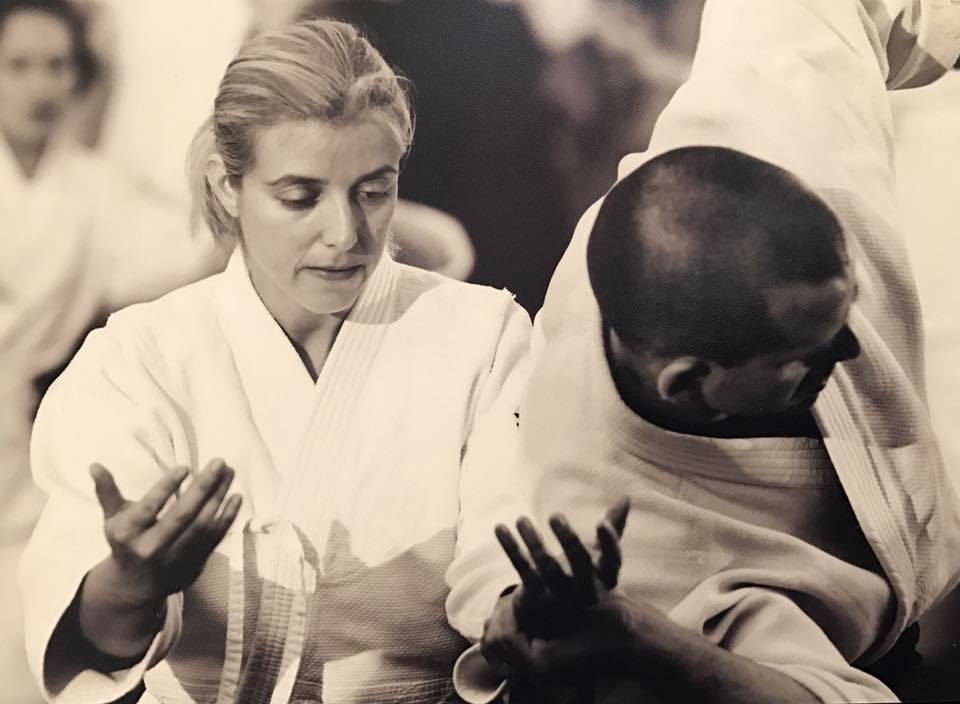
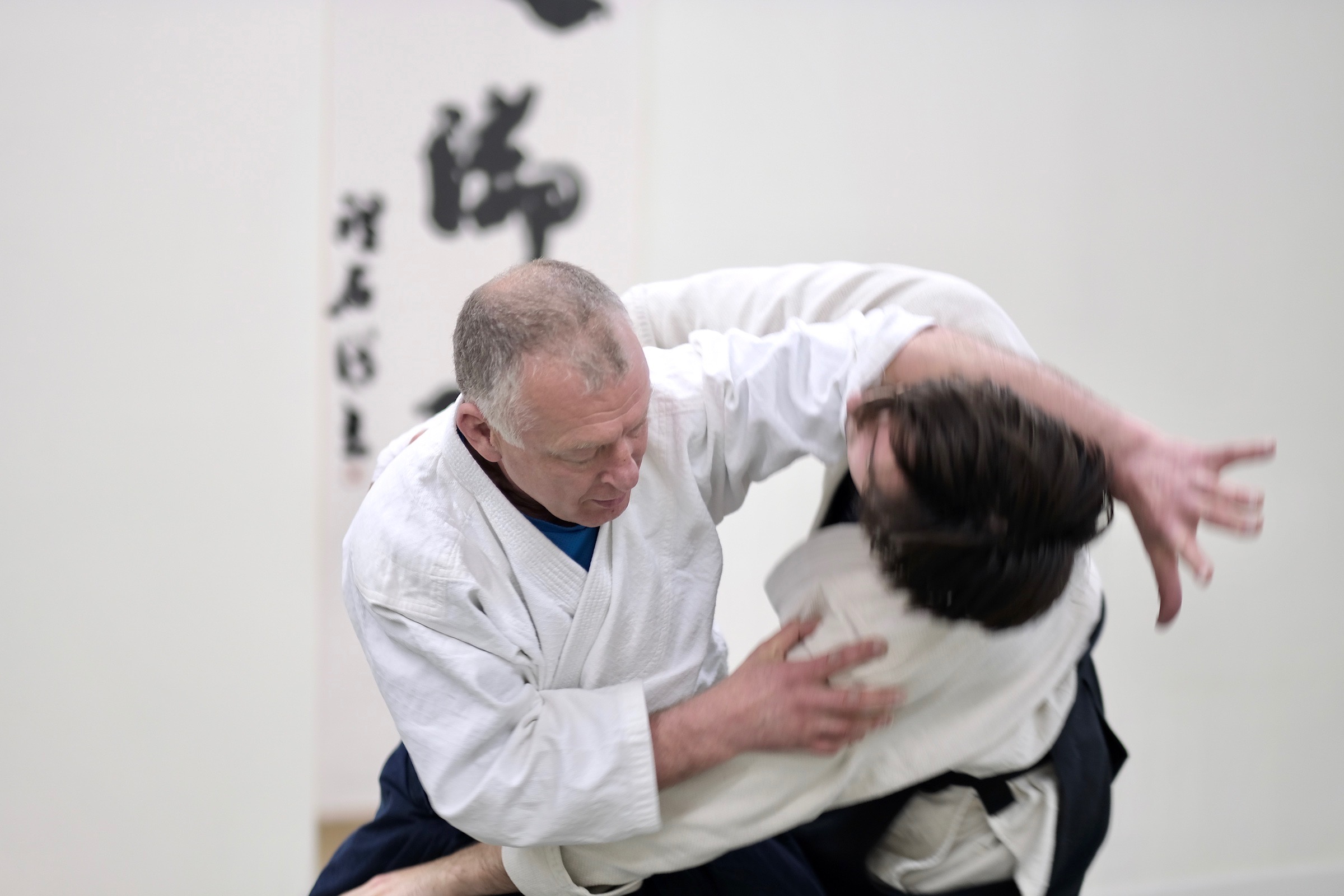
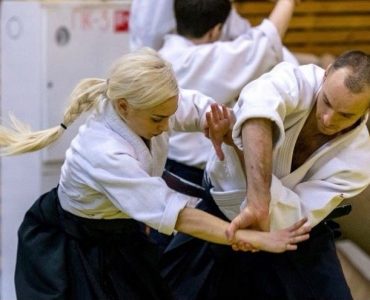
“Slow and smooth creates fast and powerful!” These words were so often uttered in the dojo that I sometimes still hear them in my dreams. My teacher was always a stickler for excellent form and he constantly grilled into me the importance of slow repetitive practice. He used to tell me that performing the technique slowly over and over was not only helping me to make the movement more natural and effortless for myself but that it was helping my Uke as well… to go through the ukemi slowly, learning to cooperate with me, feeling where I was creating kazushi (unbalancing) and also where the weaknesses in my technique were hidden. As we would switch back and forth between Uke and Nage I was given the oppertunity to feel both sides of the coin, literally hundreds of times though out the practice.
While I was in the role of Nage I would do each part of the technique separately and then very slowly begin to combine them into one very fluid movement that has Uke off his balance throughout the entire technique. As Uke I would focus on giving a sincere attack without using strength or resistance, cooperating with Nage but no so much so that I was just giving away my power. It’s very difficult to follow along with Nage when there is no momentum, so I had to imagine what it would feel like if we were both moving at full speed in my mind and then slow it down in my physical movements. Sometimes we would only do one technique in an entire class period and never any faster than the slowest pace we could manage.
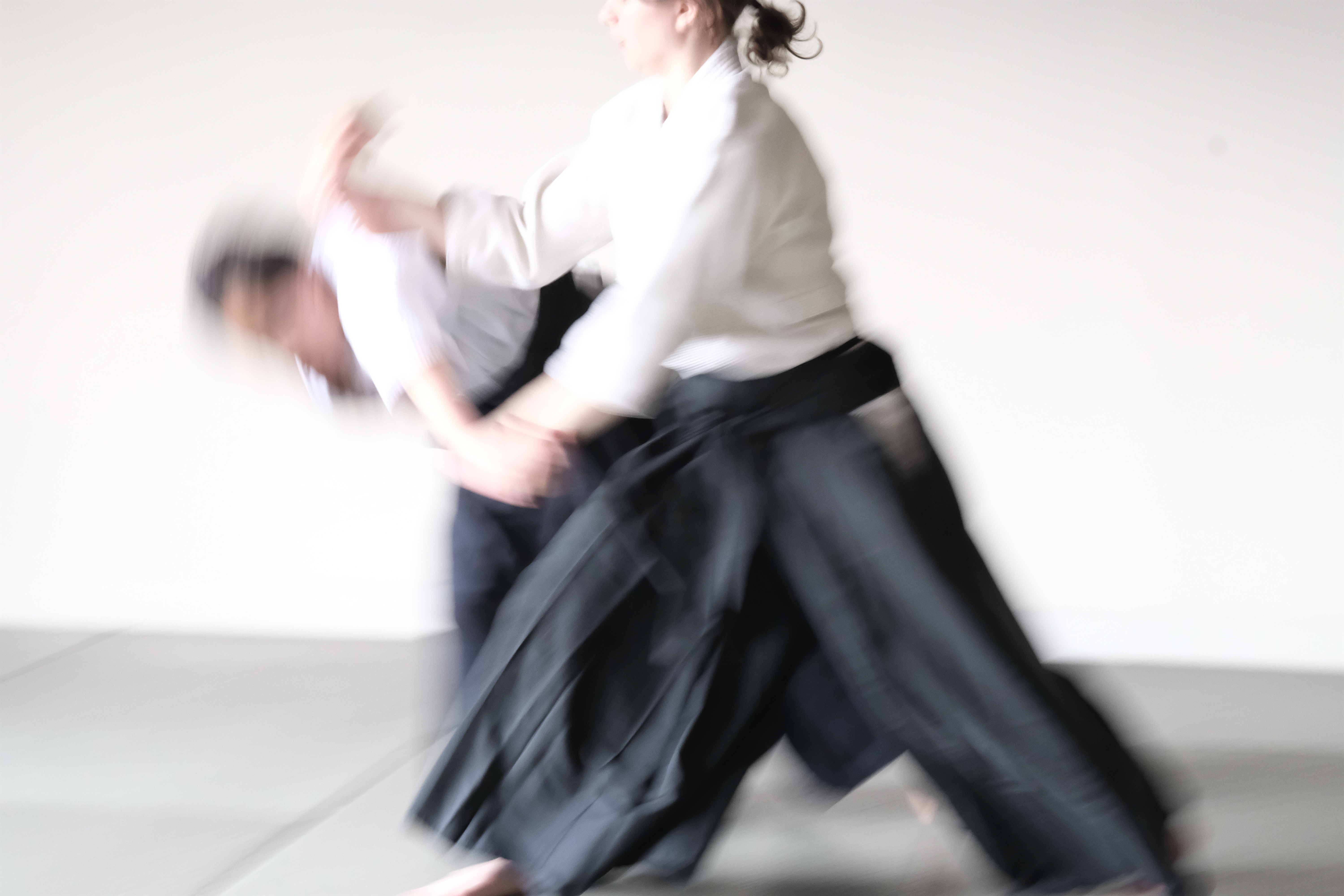
In the practice of most participants these days the importance of slow repetitive technique is often overlooked. I frequently see partners that are moving at “balls to the wall” speed when performing a technique. As soon as Nage becomes accustomed to the movement of Tenkan (pivoting) or Irimi (entering) and whatever else is required to accomplish that particular technique they move right into hyper-speed practice. To me this is a blatant dispaly of impatience in the participants. If you’re in such a hurry to become an Aikido master you might as well walk away right now because you’ll never reach your goal moving at that pace. You’ll most certainly stumble and fall along the path. (Unless you manage to convince YOURSELF that you are a master, which seems to happen all to frequently in the martial arts community at large these days, but I doubt that too many others will share in your opinion!) You must not be in a hurry to do anything otherwise the results of your efforts will be sloppy and distorted. My teacher used to say “If you do this technique 10,000 times as slowly as you possibly can then the one time when you need it you’ll do is so fast that you’ll barely be able to keep up with yourself!” I believe that this philosophy rings true in our everyday lives as well. As part of our Shugyo it is important to recognize the significance of taking things slowly in our jobs, our relationships, our dealings with new and strange occurrences and our practice inside the dojo as well.
I used to work out with a retired (and huge) competitive bodybuilder before I began to truly devote myself to Aikido, and during our training on the weekends we would walk into the dungeon-like weightroom that he owned and begin our routine. As I knew very little about patience at that time I would jump right into my workout trying unsuccesfully to lift everything in the room at the same time. While I breezed around the room at breakneck speed he would warm up slowly and begin each lift with many many reptitions of light weight as slowly as he could possibly do them. I remember one time while he was warming up to do clean and press (an exercise where you lift the bar loaded with plates from the ground to your chest and then press it over your head ) I asked him why he did it so slow with such light of weight at the begining of his workout. He just turned and looked at me with his very knowledgeable eyes and said “because if I do it slowly with light weight a million times, then when I start to do it fast with heavy weight my muscles will know what is expected of them.” It was at that point that I stopped running around the weight room and spent the remainder of my workouts focused on slow repetitive lifting.
Each aspect of your practice should be done with patience in mind. This helps not only with your self control, which is the ultimate aim of the practice of Aikido in the first place, but also with the execution of your technique. Learn to see the lessons that are hidden in the Ura (below the surface) of your practice and take from those lessons what you can. Focus on your training as not only a way to make you a good Aikido technician but a better person in general. Remember that your training is for you and you alone, and if other people think that it is “cooler” to throw their Uke half-way across the mat at full speed…. that is their opnion. Release your ego and let go of your desire to be praised for your prowess and practice with control and sincerity. Learn the value of doing it 10,000 times and youll never go wrong.
The preceding blog entry was submitted by one of our readers. If you would like to submit your own entry, please click here. Be sure to read over the rules and guidelines before submission.
JD Paul — January 25th, 2006 (add comment)
Reader Comments
neaikikai writes:
I agree 100%. This drives me nuts at the dojo. I tell people this all the time,
especially beginners. You see advanced students flying around, with uke doing all
the work with these huge breakfalls. So many mistakes in technique get hidden this
way. Its like grooving a bad golf swing, by the time they realize it, their problem
is huge. Thats why I only use breakfalls when absolutely neccessary. I want to cause
the fall, not the uke jumping in the air, may not be as pretty, but much more effective.
I practise most of my techniques slow. This is a great article, I have been preaching
it for so long. It is sad seeing 5th que students wanting to be shodan in 5 months.