Aikido Journal Home » Aiki Blog Aiki News Japan

Kamae: Posture as non-verbal communication

“If you don’t stand for something, you will fall for anything.”

What does how you stand tell people about you? Does your stance invite attack, retreat, or an open and honest conversation? Does it invite conflict or conflict resolution?

Try this experiment. When it’s your turn to train as tori, step out, but instead of taking a normal relaxed ready stance, double up your fists tight and snarl at the uke. How do they respond? Next, hold your hands up in fear, scream in a high-pitched tone, and run away. How do they respond? Now, just stand there without taking a defensive or an offensive stance. How do they respond? For the fun of it, I will often just stand there in a neutral no-stance and notice how long it takes people to attack me anyway. The people I train with on a regular basis don’t wait at all. Guess they are used to me.

In an experiment, social scientists took a video of people walking down the street. They took the tape into prisons and asked criminals which people they would choose as their next victim. Not too surprising, they all chose the same people. When examined, the social scientist decided that it was fear that was communicated in their nonverbal behavior. Remember, you cannot not communicate. Only a small percentage of our communication is verbal, most of the message is nonverbal.

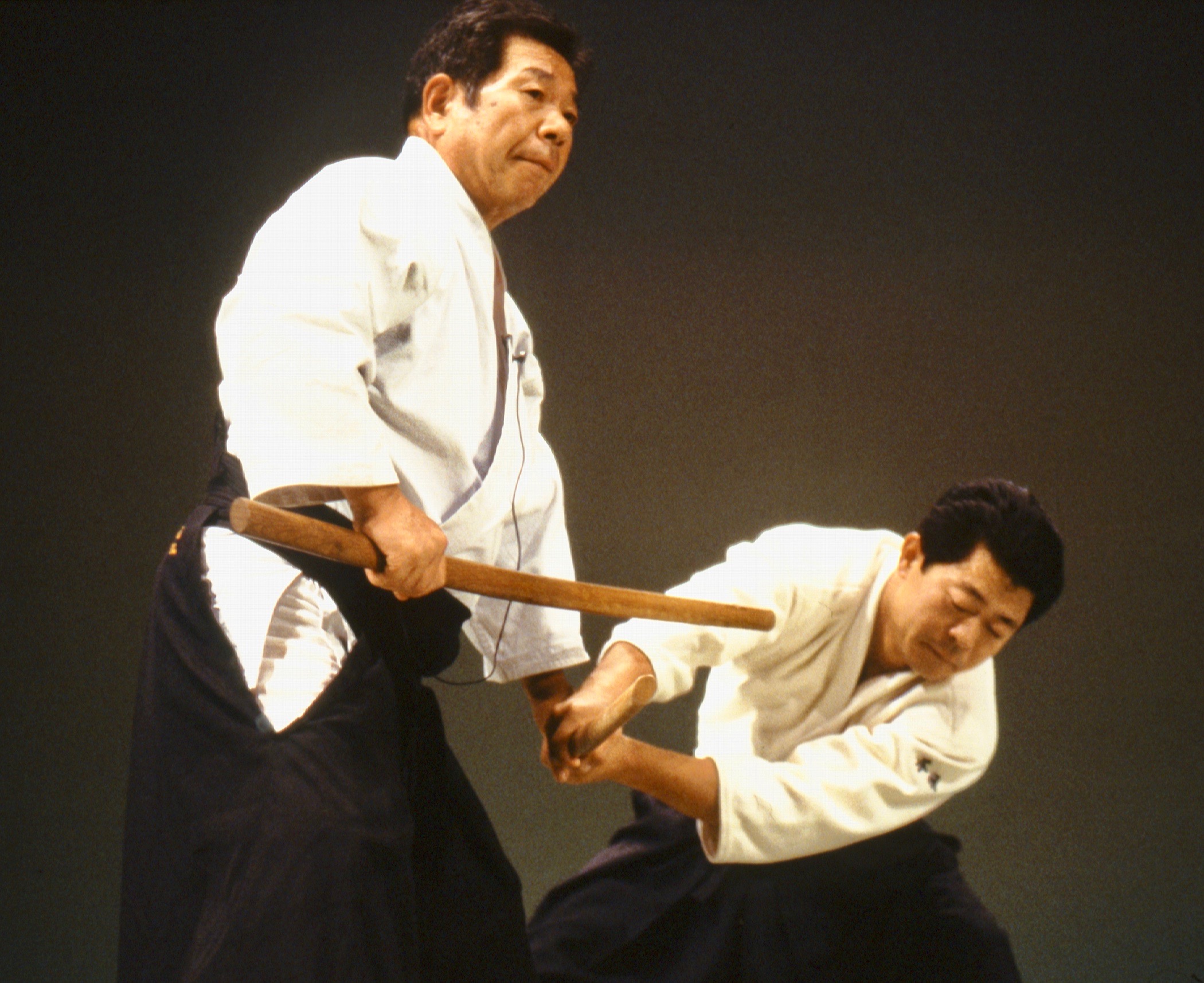
There is a demonstration I like to use when introducing people to the concepts of Aikido. I ask them to grab my wrists and become aware of what happens to them as I tighten up my fists. They usually tighten in response to my tension. Next, I just let my hand relax. They let theirs relax too. When I try to move them with my fists tense, they resist. When I move relaxed, they just tend to go along for the ride.

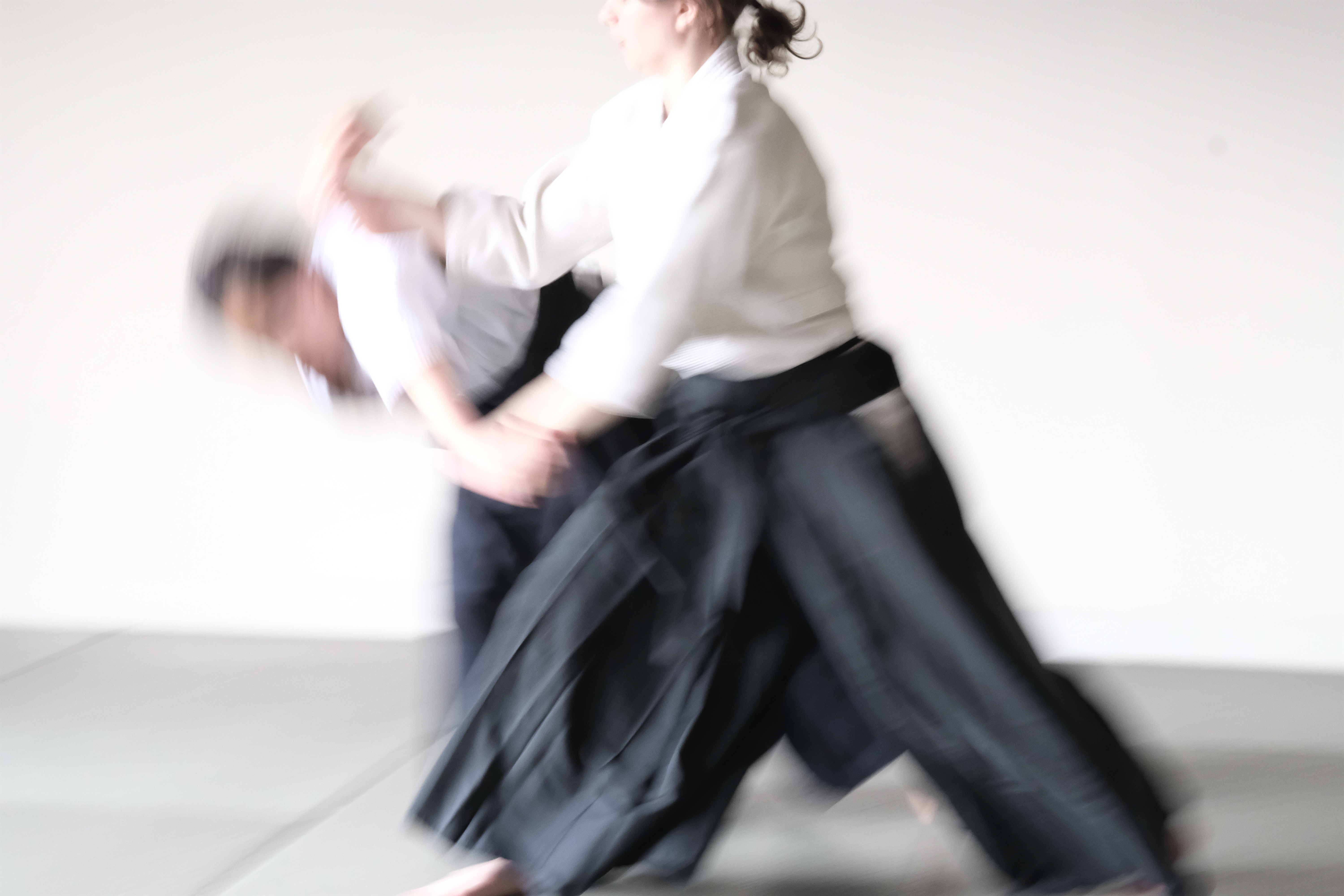
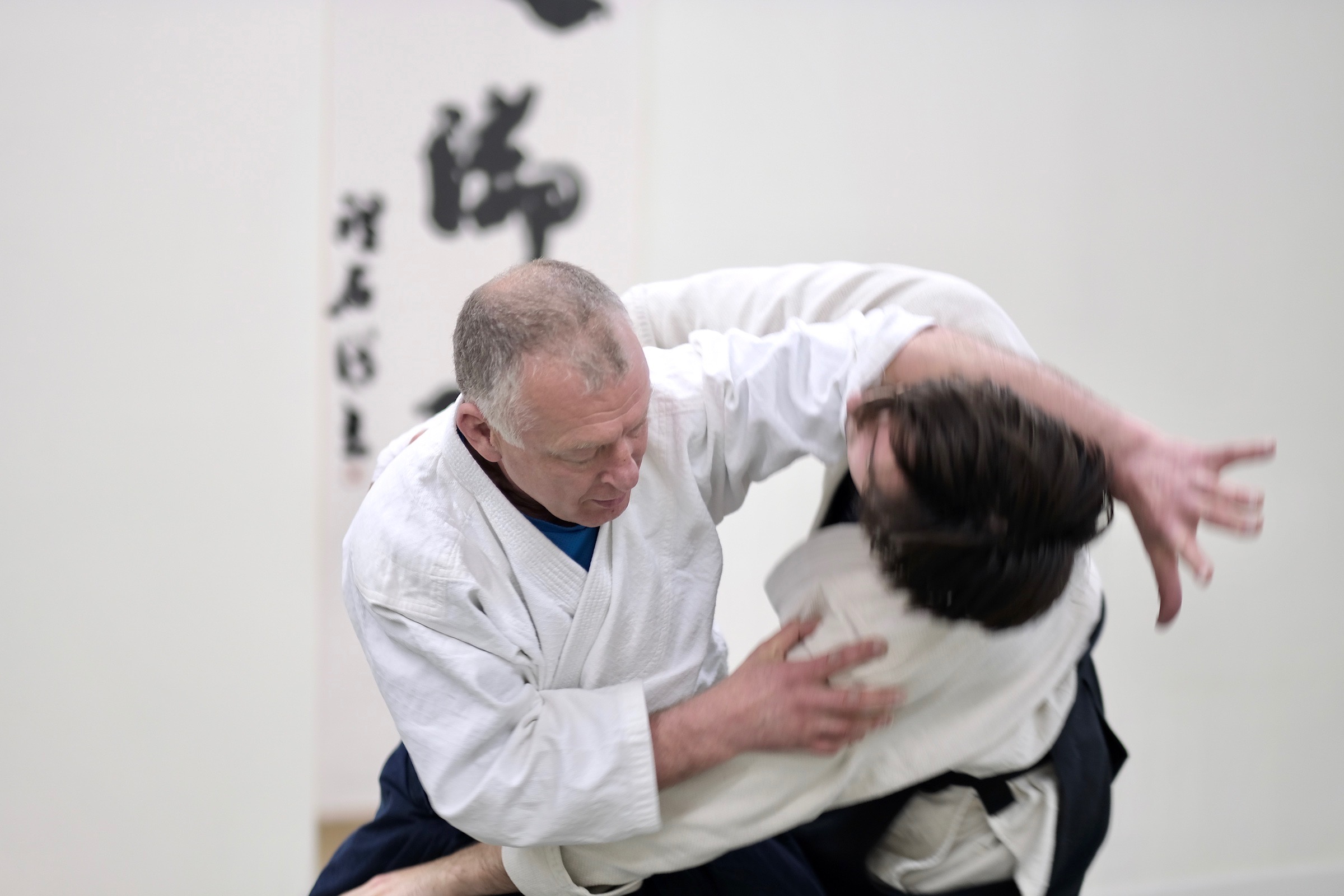
I once heard that the basis of Aikido was learning to enter, blend, and take balance. I like simplicity. Another rule was that Aikido was all about posture and position. It is the entering and blending with right posture, in the right position, at the right time that makes the techniques work with no effort.

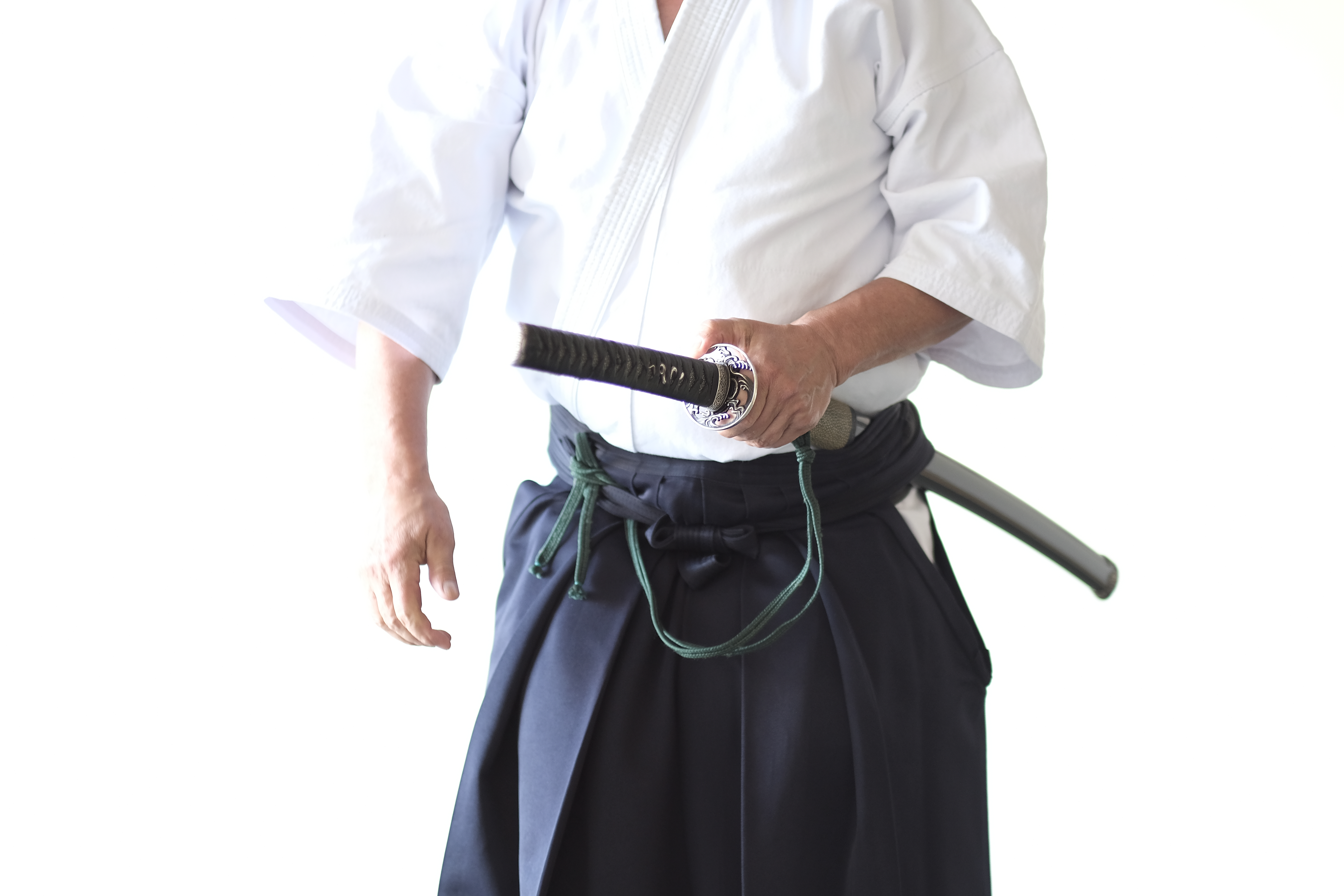
There are several concepts in Aikido that lend themselves well to this conversation and conflict escalation or resolution. Our means stance or posture (Kamae) can communicate an offensiveness, defensiveness, confusion, or total distraction to suggest a few. Eye contact and focus can communicate a connectedness (Musubi), and blindness, or a seeing through. Everyone has their own protective personal distance (Maai) that needs to be respected and utilized. Timing is important so that we enter (Irimi) and blend (Awase) with the conversation rather than against it, asking for resistance rather than acceptance.

What are the body postures and gestures that suggest anger, aggression, and offender? Bulging eyes with pupils dilated, pumped up chest, tense muscles, hands hidden or a finger pointing or a fist, leaning forward, and rapid respiration indicate to me that someone is not willing to be cooperative. They are expressing their hurt and fear through, what some consider the best defense, a strong aggressive (not assertive) offense.

What are the body postures and gestures that suggest fear, compliance, and victimization? Wide eyed with pupils dilated, chest sunken, muscles collapsed (not relaxed), hands held up to protect or dropped to their side in defeat, leaning backwards, and holding the breath suggest to me that someone is only being compliant, not cooperative. They are expressing their hurt and fear in defeat. For some strong predators, this type of behavior, especially if running away, sets up a chase mentality, and only invites further attack.

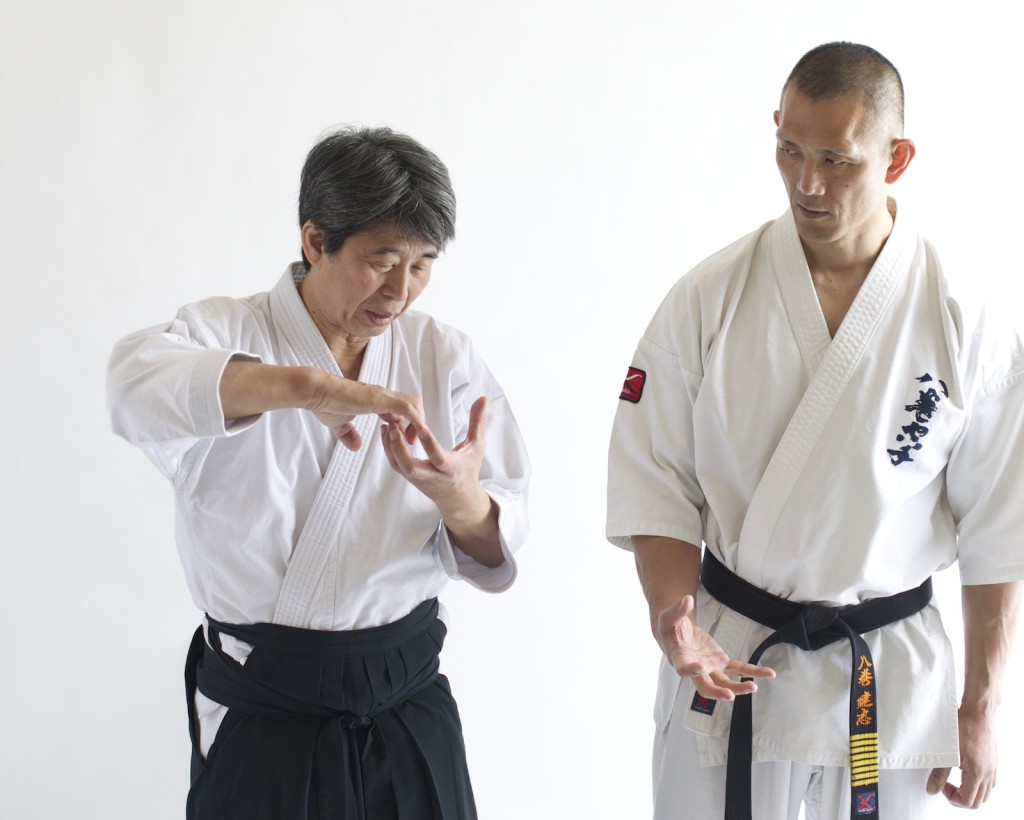
What are the body postures and gestures that suggest compassion, peace, and conflict resolution? What posture do you take when you are sincerely listening to a good friend’s pain and fear? Listening is nonverbal, internally and externally, and is a powerful message to another human being that they are connected, accepted, and appreciated. It doesn’t mean you have to agree, understand, or even like it. Opening the mind, heart, and body to listen allows us to hear the real issues of isolation, fear, and pain that drive anger and aggression. It is like using posture (Kamae) and soft eye focus (Metsuke), to be open and actually see through to the root cause of the conflict.

Since body posture and position are means or mediums for communication, what and where is the message? Some would say that our nonverbal unconscious communication demonstrates how we really feel. Where do our feelings come from? Most people agree that feelings come from the way we have learned to think about things. In other words, like it our not, our feelings are not dictated by what others do, but from how we, in our minds, think about what others are doing.

Conflict escalation or resolution is a choice. It is a choice in how one responds rather than reacts. Therefore, to truly change our Kamae, posture and position, to be an honest and genuine communication of openness, acceptance, appreciation, and non-violence, we would need to change the way we think. That may need to be an entirely different conversation both verbally and mentally.

Thanks for listening, for the opportunity to be of service, and for sharing this journey. Now, get back to training. KWATZ!

_________________

Until again, Lynn Seiser, Ph.D.

Sandan Tenshinkai Aikido/Luaylucay Kali/JKD

“We do not rise to the level of our expectaions. We fall to the level of our training.” (B.L.)

Lynn Seiser — April 24th, 2006 (add comment)

Reader Comments

Douglas Marshall writes:

Hello Lynn Seiser, Ph.D.

Thanks for another good article. You objectively described postures of “fear” and “anger”, and I was expecting (hoping) to see a similar description of posture reflecting “compassion, peace and conflict resolution”. Aside from posture when “sincerely listening to a good friend’s pain and fear”, can you describe it in objective terms, as you did for fear and anger? Of course, your point is well stated (and taken) without such a description, (we know there must be different postures communicating those various attitudes, and others), but I think the additional

objective description would have (for me) rounded out the article more completely.

Thanks again.

Douglas Marshall

1st Dan

Koinobori Dojo, Moscow, Russia