Aikido Journal Home » Aiki Blog Aiki News Japan

“The Black-Belt-Syndrome”, by Stefan Schröder, Aikido Verein Hannover

The so called Black-Belt-Syndrome is used only as a half-joke to describe the behavior of fellows who were recently awarded a black belt in the martial arts and that is in a sense defective.

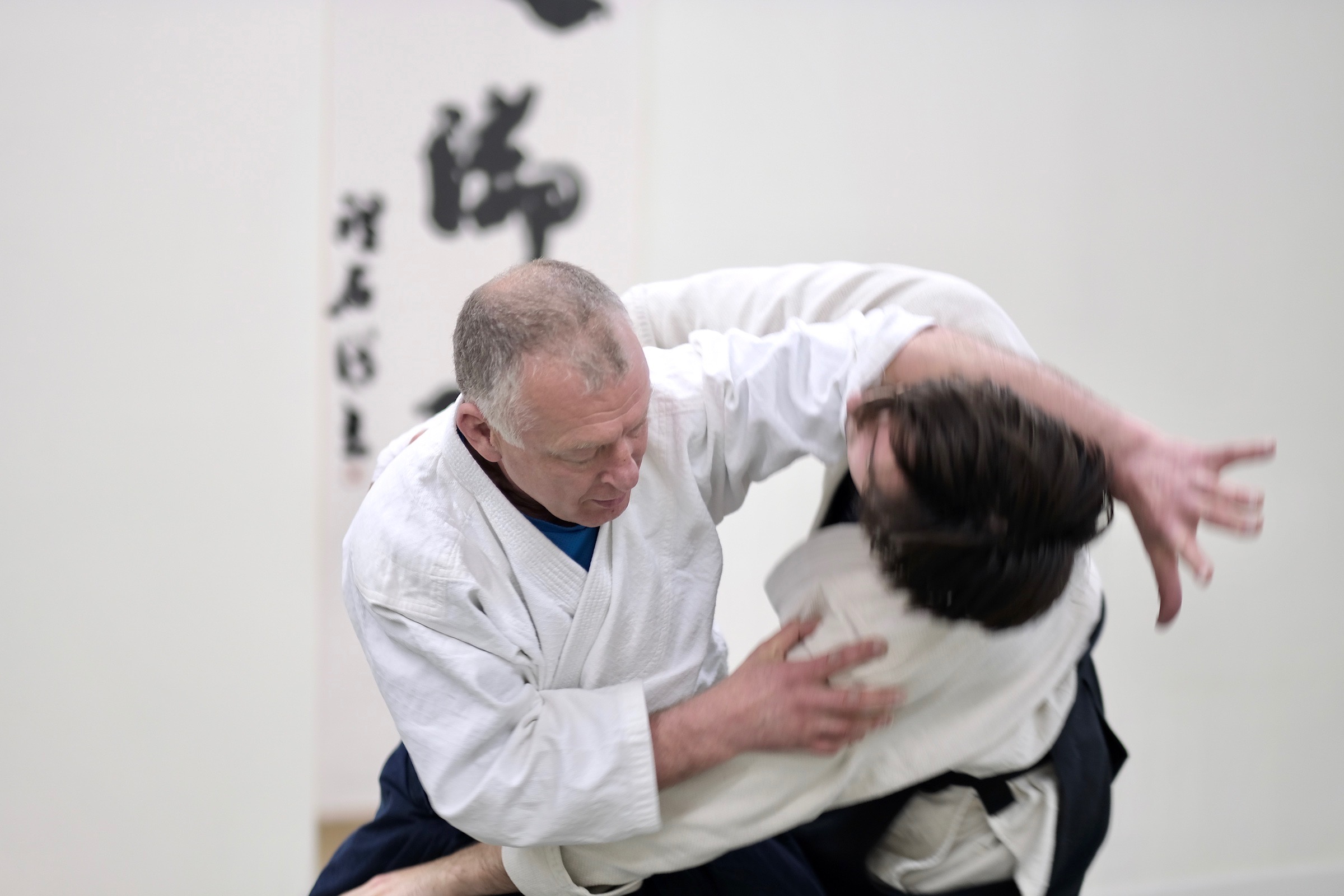
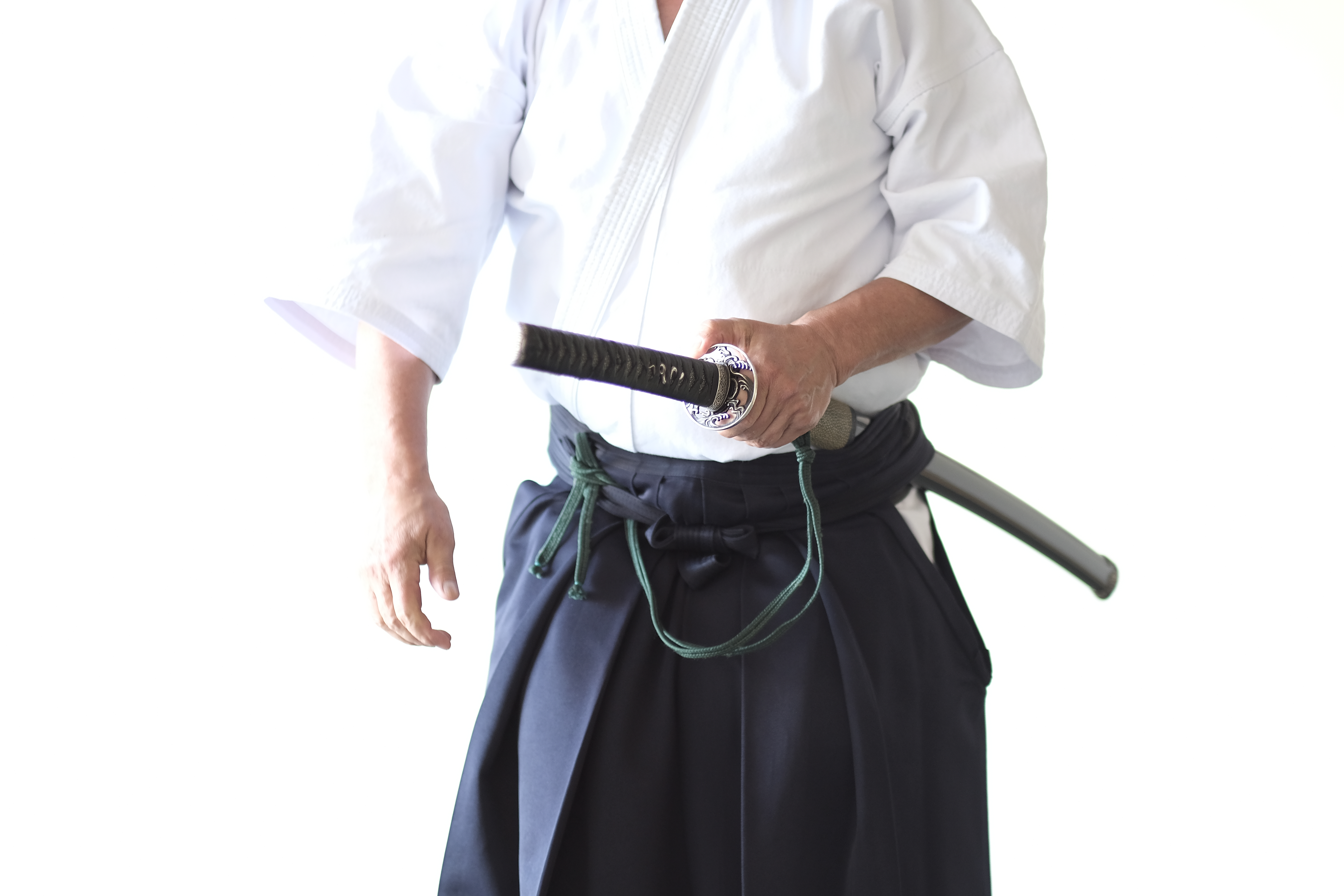
Attaining shodan rank is attractive: In some organizations shodan are allowed to promote minor ranks. Shodan are allowed to mix with the really high ranking shihan during seminars, where kyu-ranked students are mildly ignored. Shodan are allowed to wear a black hakama.

While the martial arts are said to build the individual’s character, there are some people who, after receiving this award, change their attitude towards their peers - lower, equal and higher in rank in a non-pleasant way. It seems that these people built up a lot of tension in the years of training with the “first step” (Shodan) as their primary goal. And as soon as they reach it, they run wild and think that they know everything better.

That being a black belt (commonly considered a master) also carries quite an amount of responsibilty does not occur to these fellows. Over the years they collected many ideas on how to lead a training, how to do certain techniques, what to do during the calisthenics, and - like opening a gate at an artificial lake - suddenly they consider themselves proficient enough to force this knowledge on those around him/her.

They tend to forget that being a black belt has much to do with dignity. I saw more than one case where men, suffering from black belt syndromes, left their masters after they attained shodan rank, because they felt that their capabilites are not respected and could not cope with the fact that their masters wouldn’t change course.

In my opinion this is a consequence of the tendency to promote mainly based on technical considerations, because this is easily tested by any examiner. Whether the examinee is full of integrity cannot be determined without interacting with the fellow on a long term basis under changing conditions. I have the suspicion that these people are to some degree feigning loyalty to qualify for the testing. And to suppress their true emotions adds to the tension I mentioned above.

There is the ultimate test: Not allowing the student to pass. After his or her failure, no matter how good s/he was, will afterwards show their true obligation. Or - as Craig Dunn said: “Not passing the test the first time is part of the test.” A truly mature student will introspect and try to improve, while the immature student will whine and perhaps quit.

The preceding blog entry was submitted by one of our readers. If you would like to submit your own entry, please click here. Be sure to read over the rules and guidelines before submission.

October 4th, 2007 (add comment)

Reader Comments

seakyu writes:

Thanks for the observation, as it should give us all pause to think about how and where we view ourselves in the process of learning aikido. Black belt syndrome is only the first of many “syndromes” - nidan syndrome, sandan syndrome, etc.

As human beings we can only ascend in our practice to the level at which we are incapable of seeing our own flaws. When we get to a point in our practice at which we can see no ways to improve, it does not mean that we have reached perfection, but only that we are not able to recognize where we should seek new understanding.

I learn as much from my students as I do from my teachers, but no more improvement will ever take place unless I remember that I am always in the dead center of what I have learned and what there is left for me to learn.

Patrick Auge writes:

The Black-Belt Syndrome also referred to as Blackbeltitis and “kuroobibyou” —in Japanese, has been a cause of constant inquiring for many teachers. No matter how we develop a teacher-student relationship in order to distinguish the teachable from the non-teachable, no matter how we observe how students deal with life difficulties and train them to forge their minds and grow as no-limit persons by exposing them to challenges (such as you mention in your article), there is no perfect way to determine who is eligible.

Just like anywhere else, there are those who after years of experience and practice have developed the skills to bull-shit their ways in life and can attain any status they want. As teachers, we love “teachers’ pets”, those students who know how and when to tell us what we want to hear. That is what we call “senseibyou” —teacher’s disease. In order to heal, first we have to be aware of the disease and recognize it. Then we can identify the symptoms and refine our skills. However there is no perfect way…

But those who will benefit are the true ones, those who accepted all the conditions and forged their minds and bodies through all the tribulations. They are the ones, who will be recognized by the other true ones and won’t be seen —though maybe envied, by the false ones.

Patrick Augé